
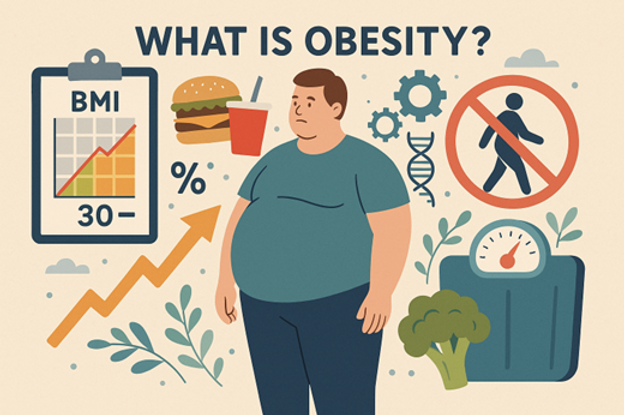
What is Obesity
Obesity is characterized by excessive fat build up to the point that our health and wellbeing are at risk.
It is a chronic disease and have detrimental effects on health.
How to Diagnose Obesity?
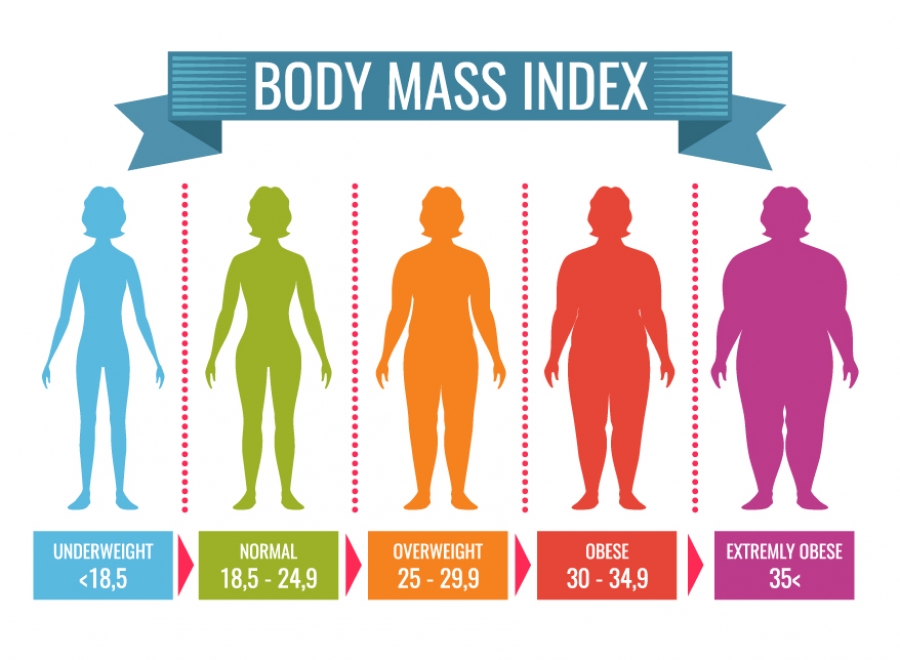
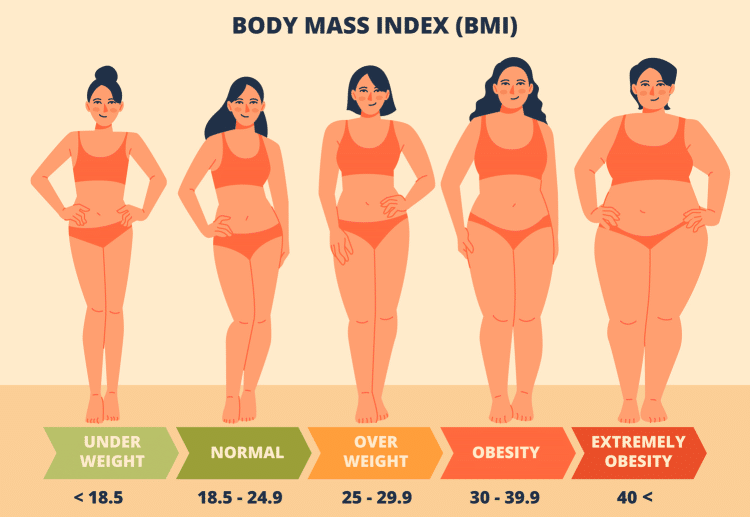
It is a
screening tool to have a general look at obesity. It takes into account of
person’s height and weight and classify obesity.
It is calculated as person’s weight in kilogram
divided by square of their height in meters ( kg / m2)
Different
people of the same BMI may have different body shapes depending on distribution
of body fat and skeletal muscle
A high BMI is a strong parameter for occurrence
of Non communicable diseases like PCO ,infertility , type 2 diabetes,
hypertension , high lipid and many malignancies .
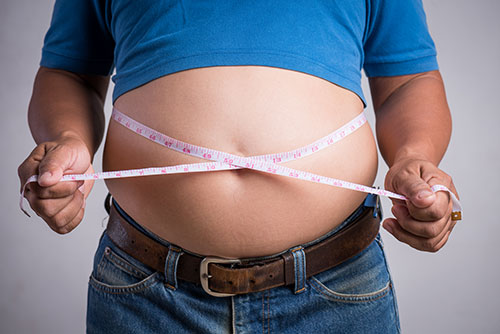
Waist circumference is simple to measure and it
avoids any consideration of the hip as they convict of bone and skeletal muscle
along with fat –
The technique for measuring WC is with measuring
tape halfway between the lower rib and
iliac crest .
it is a measure of central /abdominal obesity
when is more than 90 cm in men and more than 80 cm in women, they are associated
with metabolic problems.
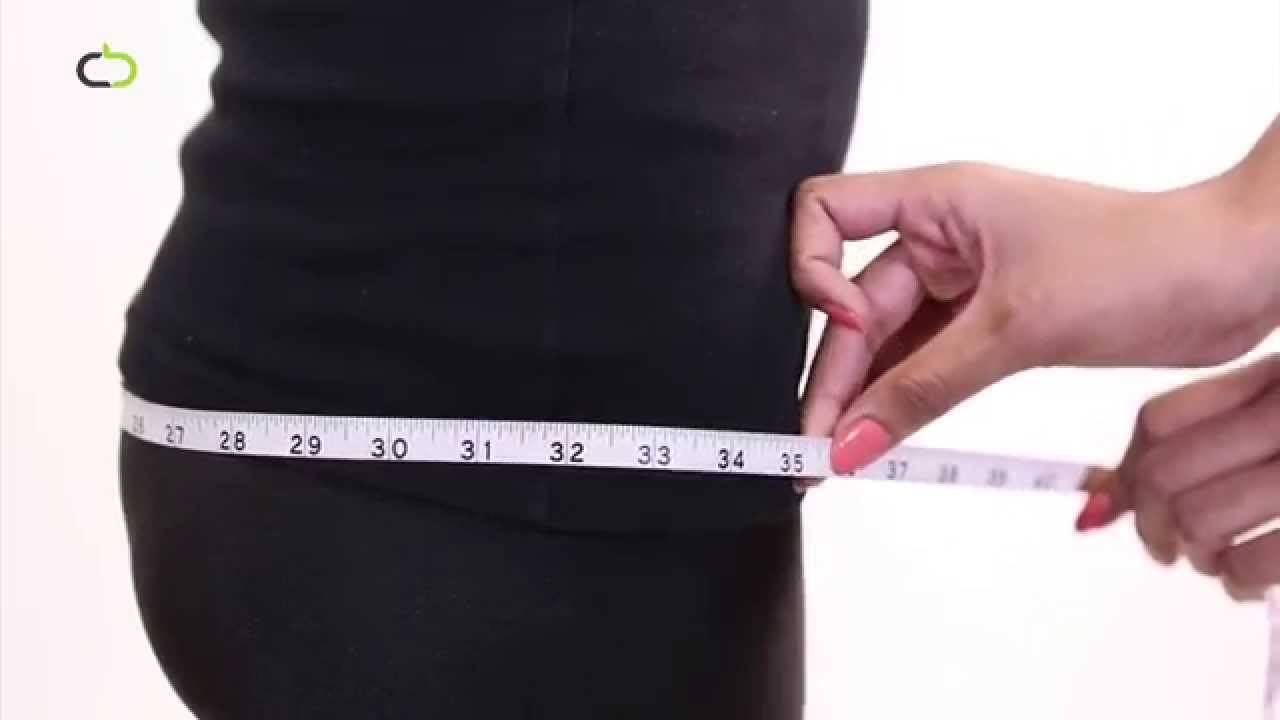
It is measured at widest circumference over
greater trochanters.
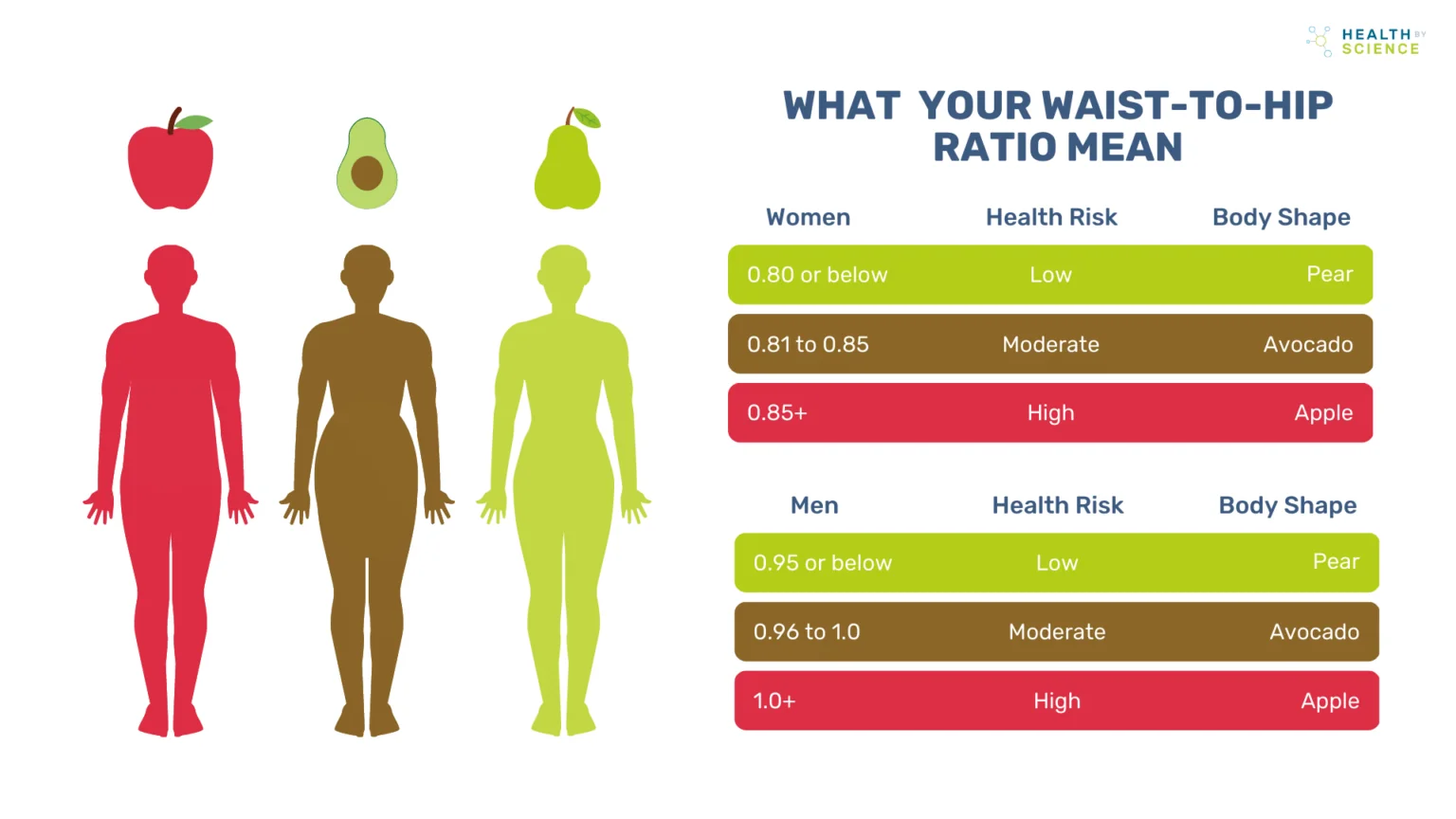
WHR is
obtained by dividing the WC by HC using same units of measurements for both.
WHR is straight forward indicator of central obesity.
The WHO classifies abdominal obesity in men if
WHR >0.9 and women >0.85
The ratio greater than 1.0 in either sex
indicates increased risk of metabolic complications.
Bio electrical impedance analysis (BIA)is very
accurate in diagnosing body fat.
It is more accurate than BMI .
Body impedance analyst is (BIA) is relatively
simple quick and noninvasive method to assess body composition.
BIA allows the
calculation of fat free mass and body fat percentage.
Body fat percentage of more than 25% men and
more than 30% in women are considered obese by Endocrine society of India
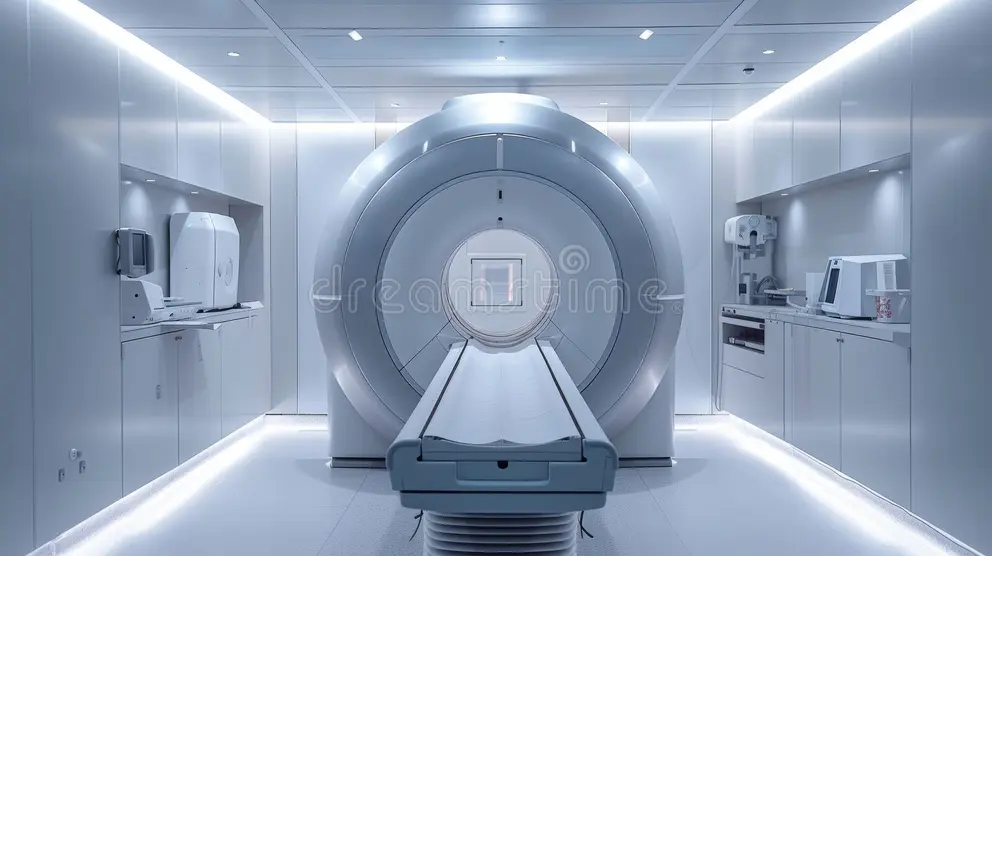
- CT scan
- MRI
Can identify visceral fat and subcutaneous fat.
Visceral fat is responsible for metabolic
abnormalities
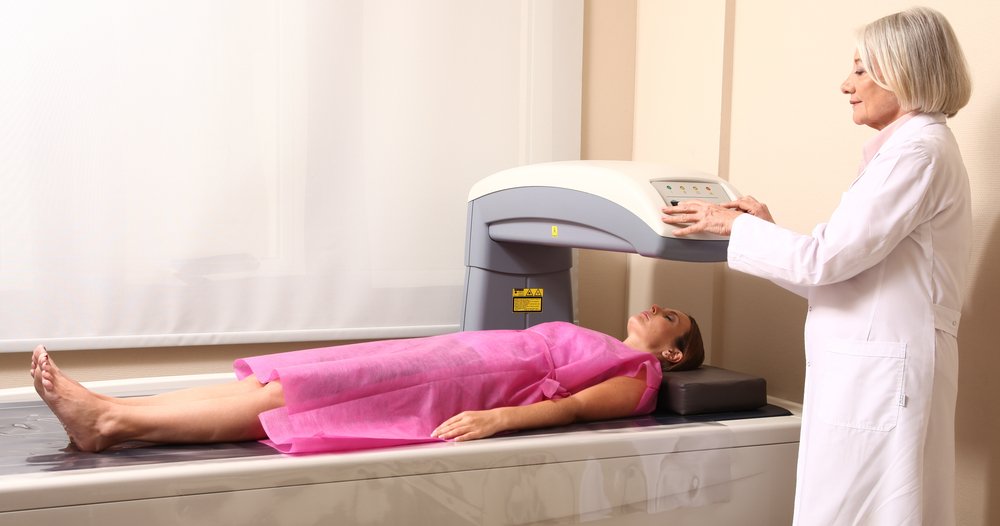
DEXA scanning uses low-level X-rays that
pass through different types of tissues at different rates providing estimates
of fat mass, fat-free mass, and bone density. This method is widely used to
measure bone density and can also accurately measure fat mass. A limitation of
most DEXA scanners is the capacity to image extremely obese persons. However,
half-body scans have been shown to provide an accurate body compositional
analysis. DEXA is relatively simple to perform, less expensive, and more
accessible than MRI or CT scan.

Lab tests- like
-
Liver function test
-
Fasting glucose and
glycosylated hemoglobin
-
Thyroid function tests
-
Lipid profile