Poly cystic ovary syndrome (PCOS) is a disorder characterized by increased androgen, ovulatory disorder and poly cystic ovaries.
Etiology- 1. The exact cause of PCOS is unknown. Early diagnosis and treatment along with weight loss may lower the risk of long-term complications such as type 2 diabetes and heart disease.
2. Certain genesseem linked to it. Having a family history of PCOS may play a role in
developing the condition.
3. Insulin resistance is central to the etiology.One sign of insulin resistance is dark, velvety patches of skin on
the lower part of the neck, armpits, groin or under the breasts. A bigger
appetite and weight gain may be other signs.
4. Compensatory insulinemia maycame increase
androgen production.
5. Low grade inflammation also contributes to it.
Symptoms
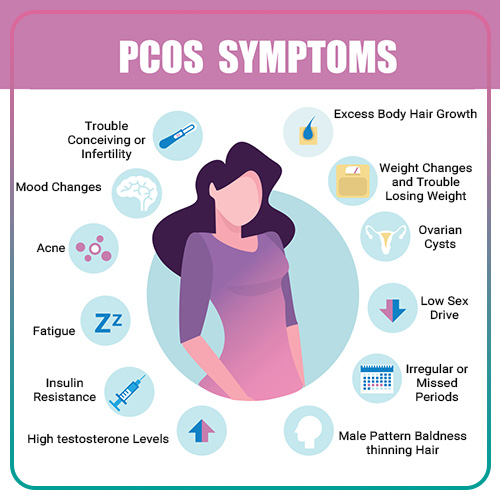
The symptoms of PCOS are variable. Symptoms can begin any time after menarche ie. When periods begin.
A diagnosis of PCOS is made when you have at least two of these: 1. Irregular periods. Having few menstrual periods or having periods that aren't regular are common signs of PCOS. For example, you might have fewer than nine periods a year. And those periods may occur more than 35 days apart. You may have trouble getting pregnant. 2. Too much androgen. High levels of the hormone androgen may result in excess facial and body hair. This is called hirsutism. Sometimes, severe acne and male-pattern baldness can happen, too. 3. Polycystic ovaries. Your ovaries might be bigger. Many follicles containing immature eggs may develop around the edge of the ovary. The ovaries might not ovulate and can cause infertility and other features of hormonal imbalance
Complications of PCOS can include:-
• Infertility- unable to conceive due to anovulation
• Gestational diabetes or pregnancy-induced high blood pressure
• Miscarriage
•Metabolic syndrome — a cluster of conditions including high blood pressure, high blood sugar, and unhealthy cholesterol or triglyceride levels that significantly increase your risk of heart disease.
• Type 2 diabetes or prediabetes
• Anxiety
• Depression, anxiety and eating disorders• Cancer of the uterine lining (endometrial cancer)
Evaluation of Patients
Physical Examination:-
- Blood pressure
2. BMI
3. Waist circumference
4. Presence of stigmata of hyper androgen
like.
-Acne
-Hirsutism
-Alopecia
-Acanthosis
nigricans
Lab tests :-
- FSH, LH, AMH
- Total testosterone
- SHBG
- Thyroid profile
- Blood sugar fasting
and PP
- Lipid profile
- Prolactin level
- Ultrasound pelvis to
look for PCO
Treatment Option
·
lifestyle
charges
·
Weight
reduction women with BMI >27 kg /m2 are consideredoverweight, they are
insulin resistant.Weight loss of 5 to 7 % can decrease circulating androgens
and PCOS symptoms.
·
Hormonal treatments
Combination oforal contraceptives provide benefit to PCOSpatients.
·
Insulin
sensitizing agents -
-Metformin
can be successful in treating anovulation in infertile PCOSpatients.
·
For
treatment of hirsutism
- Oral contraceptives
work well as they increase SHBG which will lower active androgen.
-spironolactone is
aldosterone antagonist that works well to control hirsutism.
When to See a Doctor:-
ð When you are worried about irregular periods.
ð When you are not able to conceive.
ð When you see acne increases Hain on your face.
ð When you see your weight constantly increases.
ð When you are bothered for PCOS long term side
effects