Well Women Screening
A selection of our Well woman screening options is listed below.
Adolescence
Human Papilloma Virus (HPV) vaccination provides protection against cervical cancer and genital warts. Ideally this is given to girls and boys prior to becoming sexually active, in age group of 9 -12 yrs, but can be given later also.
Twenty-Thirty-year age group
Sexual health screening tests are recommended if sexually active. A different combination of tests can be undertaken -vaginal or cervical swabs, blood tests, checking for chlamydia, checking for BV (bacterial vaginosis, associated with a mildly offensive vaginal discharge ). Herpes or HIV screening can be included into these tests if required. Early diagnosis of infections will help avoid longer term problems.
Preconception
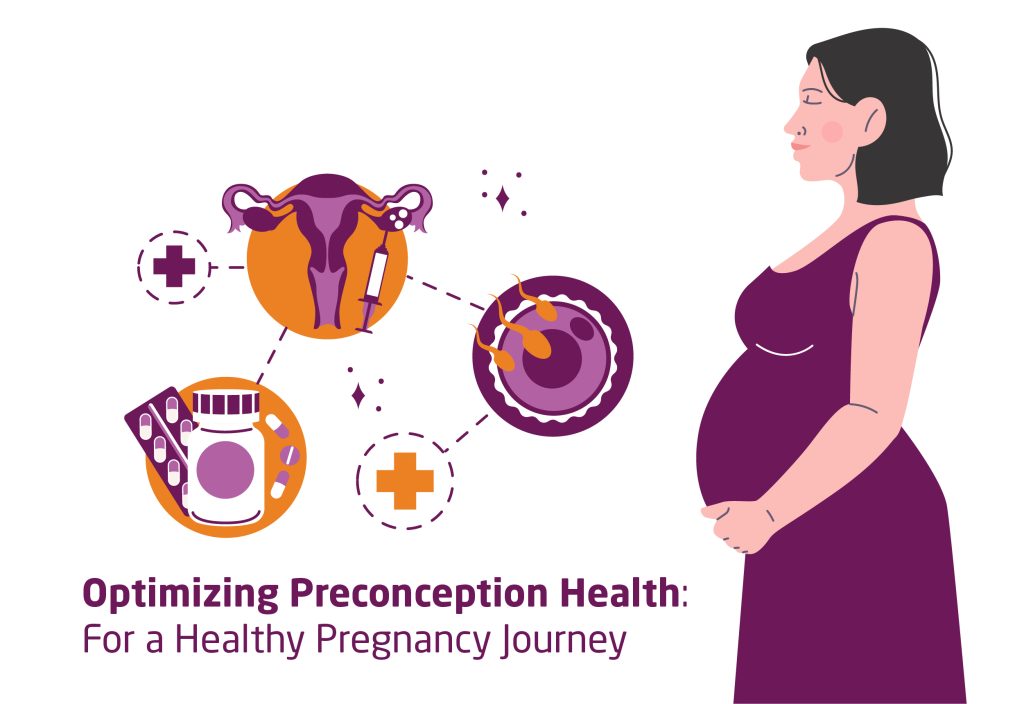
If about to start a family, it is worth having screening tests to ensure all is well and good to go. Rubella and Toxoplasma combined with infection screen, certain hormonal tests and Ultrasound scan are recommended. Fertility tests for ovarian reserve, including anti-mullerian hormone (AMH). & Antral follicular count will be helpful in women above 30 year age.
Cervical Screening (for all ages)
This is the most important screening test now to prevent cervical cancer. A Pap smear test combined with HPV testing for improved accuracy should be undertaken regularly in all women from 18 onwards (or earlier if sexually active).
How is cervical cancer screening done?
Cervical cancer screening includes the Pap test and, for some women, an HPV test. Both tests use cells taken from the cervix. The screening process is simple and fast. You lie on an exam table and a speculum is used to open the vagina. The speculum gives a clear view of the cervix and upper vagina.
Cells are removed from the cervix with a brush or other sampling instrument. The cells usually are put into a special liquid and sent to a laboratory for testing:
- For a Pap test, the sample is examined to see if abnormal cells are present.
- For an HPV test, the sample is tested for the presence of the most common high-risk HPV types.
HPV Vaccine -It is a vaccine against cervical cancer and warts.
Prevention of Cervical Cancer
Cervical cancer is the second most common cancer in women in India. It is the most preventable cancer as it has a very slow progress and has a vaccine against it.To prevent it, one should
- Stop smoking
- Barrier contraception-always use Protection(condoms)
- HPV Vaccination
- 9-45years
- 3 doses over 6 months
- 2 doses if less than 15years
Screening for cervical cancer-Pap smear test. Young women
should also visit the gynaecologist for regular screening.
- Less than 21 years age
- Pap test-no need
- STD testing yearly if sexually active
- Age 21-29
- Pap smear 3yearly if sexually active
- Above 30
- Pap smear 3yearly
- Co-testing HPVevery 5yrs if want to lengthen the screening interval
- Annual pap testing if :
- High risk for cervical cancer(HIV infection, organ transplant, or long-term steroid use)
- Positive High risk HPV, high grade cervical dysplasia CIN 2, 3 or CIS
- Hysterectomy for pre malignant condition or malignancy
If there is any suspicion in Pap smear, colposcopy is recommended
A colposcopy is a procedure where the lining of the cervix is closely examined using a magnifying instrument called a colposcope to check the cells for abnormalities. Biopsy is taken from suspicious area
Rubella Vaccination
- All girls should receive the vaccine before planning pregnancy
- Should avoid becoming pregnant until one month (28 days) after receiving the MMR vaccine and, ideally, not until your immunity is confirmed by a blood test.(CDC)
T dap Vaccine
- This is given to pregnant women in the third trimester to give immunity to both the mother and child against Diphtheria, tetanus and whooping cough
- If Tdap is not administered during pregnancy, Tdap should be administered immediately postpartum.
- Vaccination of family members is also done to protect the newborn (cocooning)
Influenza Vaccination
- Routine influenza vaccination is recommended for all above 6 months of age during influenza season (October – March)
- It is given to pregnant women after the first trimester
Forty & Above age group
Ovarian screening should be considered especially with a family history of ovarian cancer. This includes a blood test CA 125 and Ultrasound scan.
Women with a “high-risk” family history of ovarian cancer are at increased risk of ovarian cancer. Women with a particularly high risk may benefit from ovarian cancer screening.
Breast Cancer Screening
- Screening for Breast cancer-This is done by Self breast examination and of the armpit area, monthly after periods by women themselves after the age of 20.
- Breast examination by a gynaecologist may be done every 3 years in the age 20-35 and then annually after 35.
- But the most important tool for Breast cancer screening is mammography. It is a specialised X-ray of the breast, to be done after 40years of age.
- The American college ACOG recommends
- Mammography screening should be offered annually to women beginning at age 40.
Bone Health- BMD test should be done if,
- Age more than 65
- Broke a bone before 50
- Menopausal with risk factors
- Positive family history
- Premature menopause
- Infrequent periods